AdaBD Postdocs
To foster synergies between projects and collaborative efforts, the URPP AdaBD created the position of AdaBD Postdoc. The postdoctoral fellows provide expertise and technical skills, which allow to link and align different research projects. This adds significant value to the quality of research and to the supervision of PhD students.
Johannes Algermissen
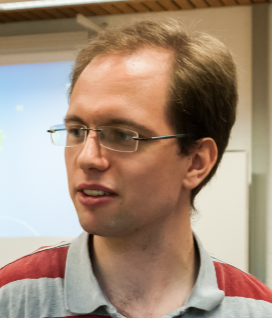
How the Brain Detects What Matters
To successfully navigate their environment, humans and other animals need to detect relevant objects and decide how to act upon them, a concept known as salience. For example, an animal needs to find food sources while watching out for potential predators. Similarly, a human, while driving a car, needs to detect traffic signs guiding them to their destination, while watching out for kids running on the street or noticing the siren of an ambulance. Often, these processes require comparison and integration across different sources of information, e.g. different sensory modalities. Failure to do so might lie at the core of neurodevelopmental disorders such as dyslexia, dyscalculia, or autism spectrum disorder (ASD).
As an AdaBD postdoc I am involved in several research projects which study processes of salience detection, multisensory comparison and learning, and value-based decision-making and how these differ in populations with neurodevelopmental or psychiatric disorders. I support PhD students who work with human subjects in designing experiments and analyzing behavioral and fMRI data. In my own research I focus on how individuals prioritize different goals related to growth and reward accumulation or security and bodily integrity
Luca Godenzini
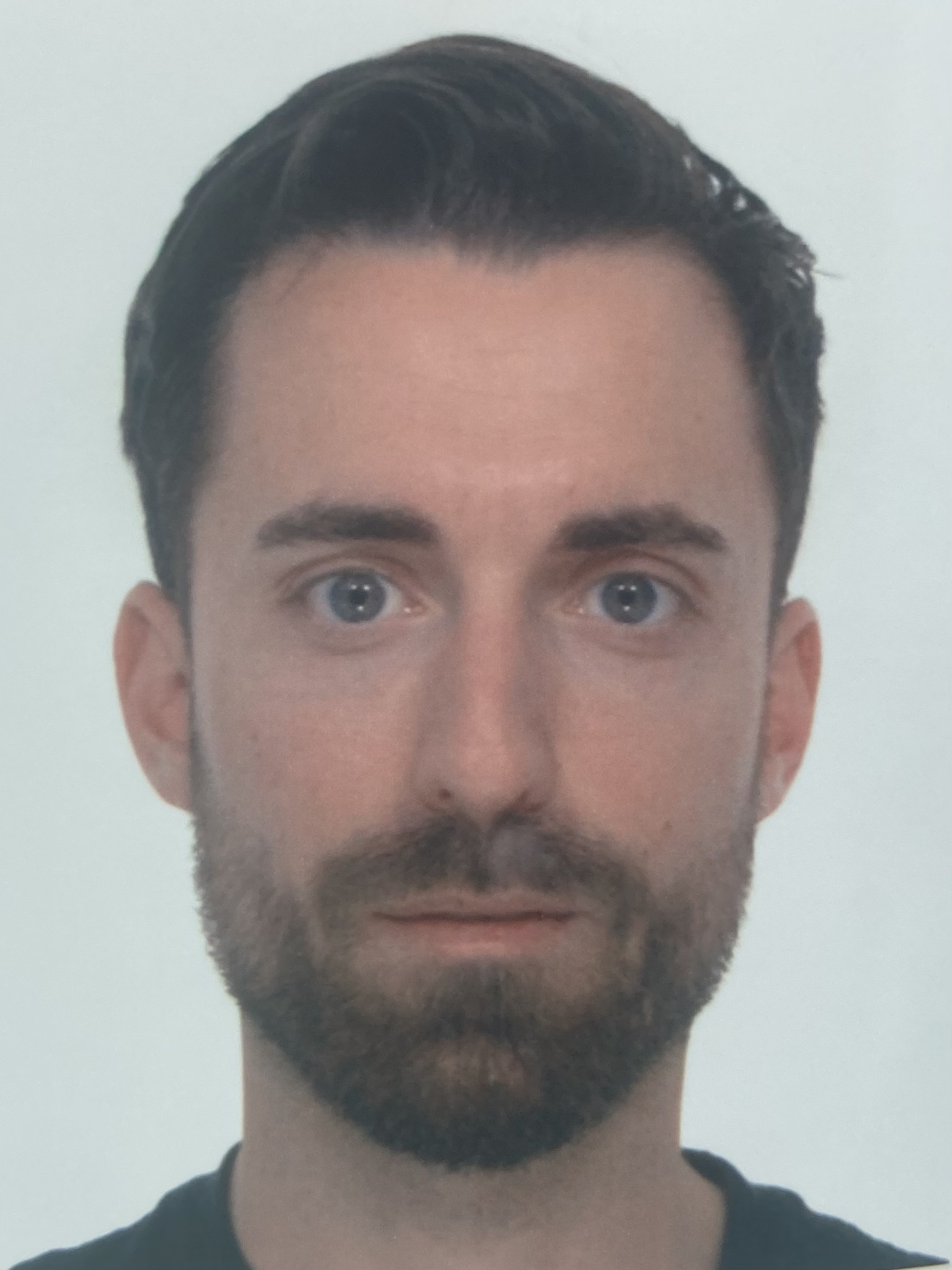
Multisensory Integration and Decision-Making in the Brain
Learning to navigate a complex environment requires the brain's ability to integrate sensory evidence from multiple modalities; a process often disrupted in developmental disorders.
My research focuses on a fronto-parietal network in the mouse neocortex, a key system for transforming auditory and visual inputs into decisions. While Layer 5 (L5) pyramidal neurons in the posterior parietal cortex (PPC) are known to receive extensive inputs from sensory and frontal areas, the principles governing how these interactions support the integration of sensory evidence across different modalities remain unknown.
Using a novel experimental setup that combines dual-color two-photon calcium imaging with a multisensory decision-making task, I aim to uncover if frontal inputs act as a gate, selectively amplifying specific sensory modalities during the decision process. Crucially, by tracking these circuits longitudinally, I will be mapping the specific adaptations that occur as an animal learns to utilize multisensory information. These insights will provide a foundation for understanding the neural mechanisms that support flexible, goal-directed behavior.
James Crowe
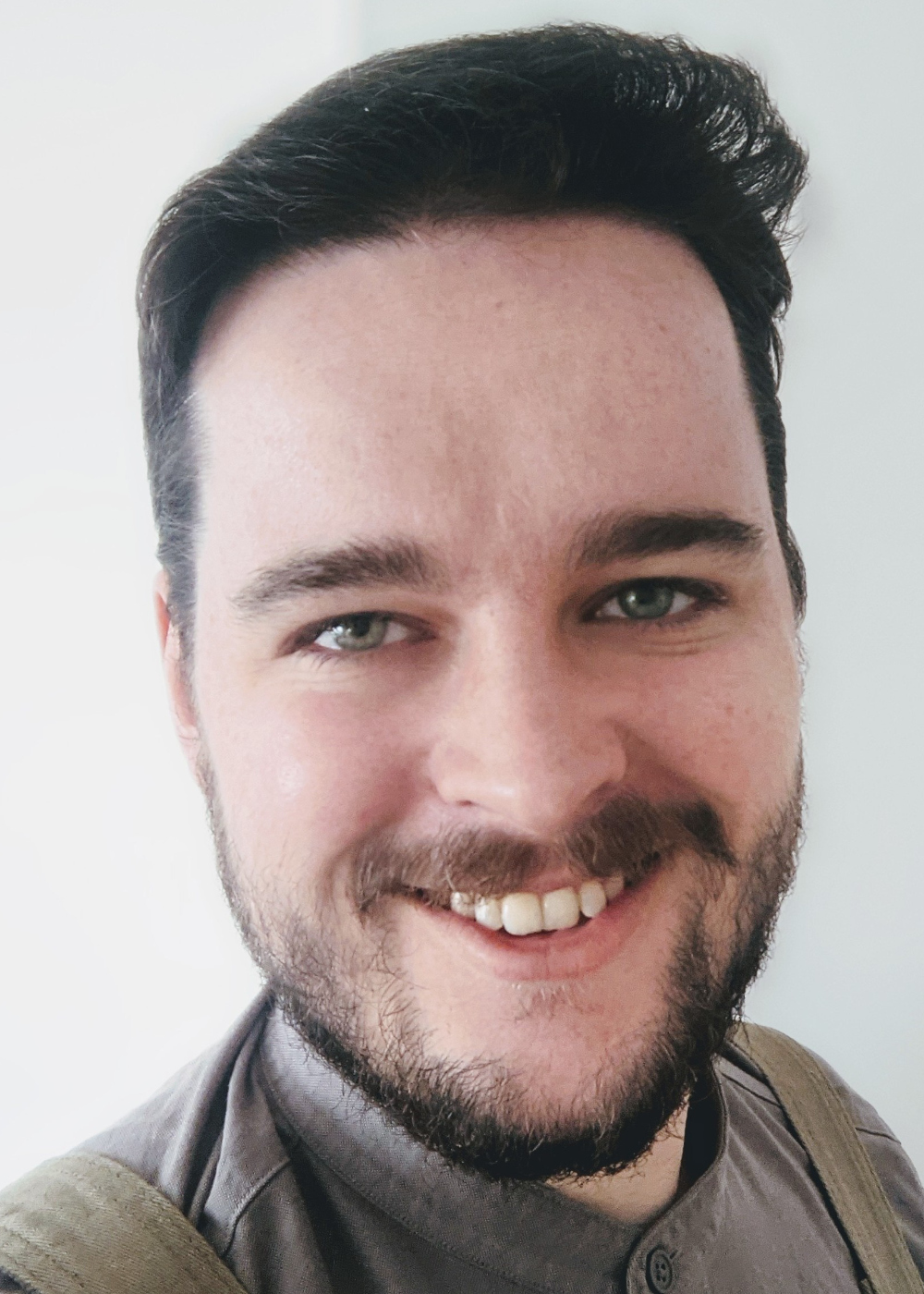
Bridging Human Stem Cell Models and Neurodevelopmental Disorders
Induced pluripotent stem cell (iPSC) models open a unique window into an otherwise inaccessible period during human brain development. . As an AdaBD Postdoc, I introduce into the AdaBD network novel genetic tools to create iPSC-derived brain models of Autismus Spectrum Disorder (ASD). This will be of added value for research projects working on bridging the gap between animal models of ASD and human patient studies, contributing to a more integrated understanding of neurodevelopmental conditions across experimental systems.